

تعليمات العناية بتركيبات الأسنان
اتبع هذه الإرشادات للحفاظ على تركيبات أسنانك بصحة جيدة وتجنب أي مشكلات بعد التركيب
تعليمات العناية بتركيبات الأسنان
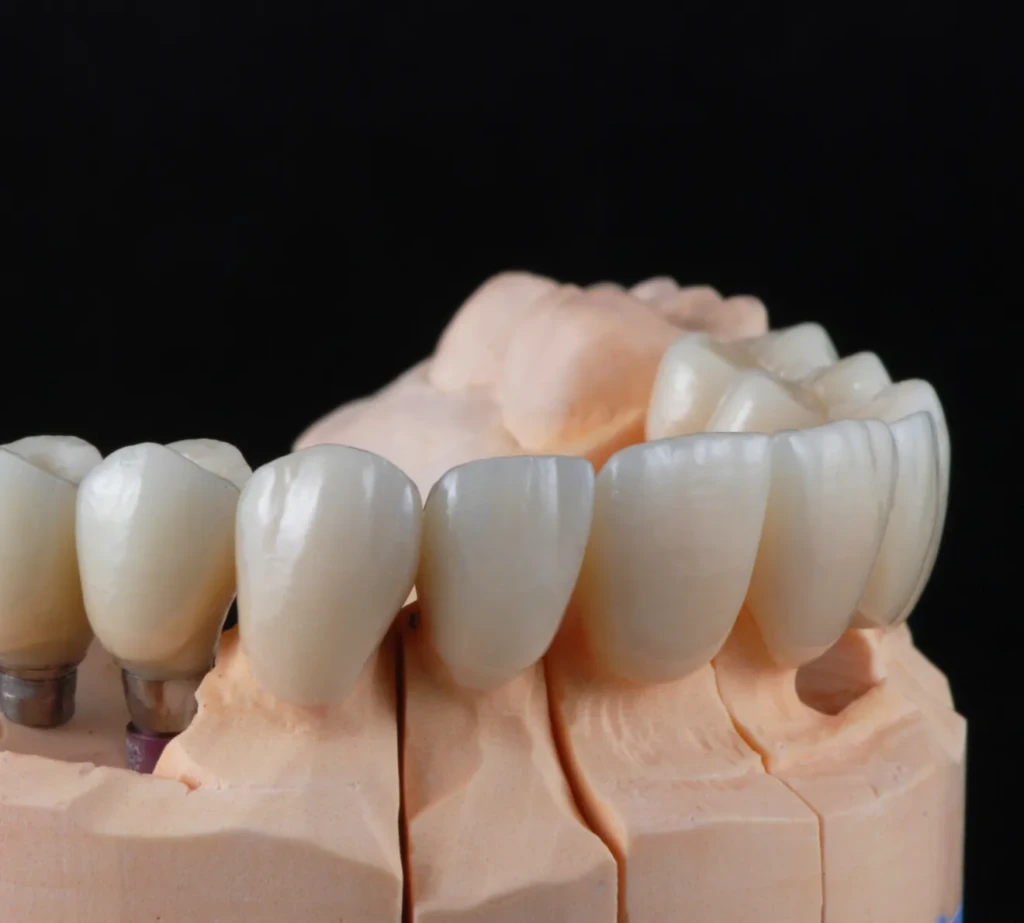
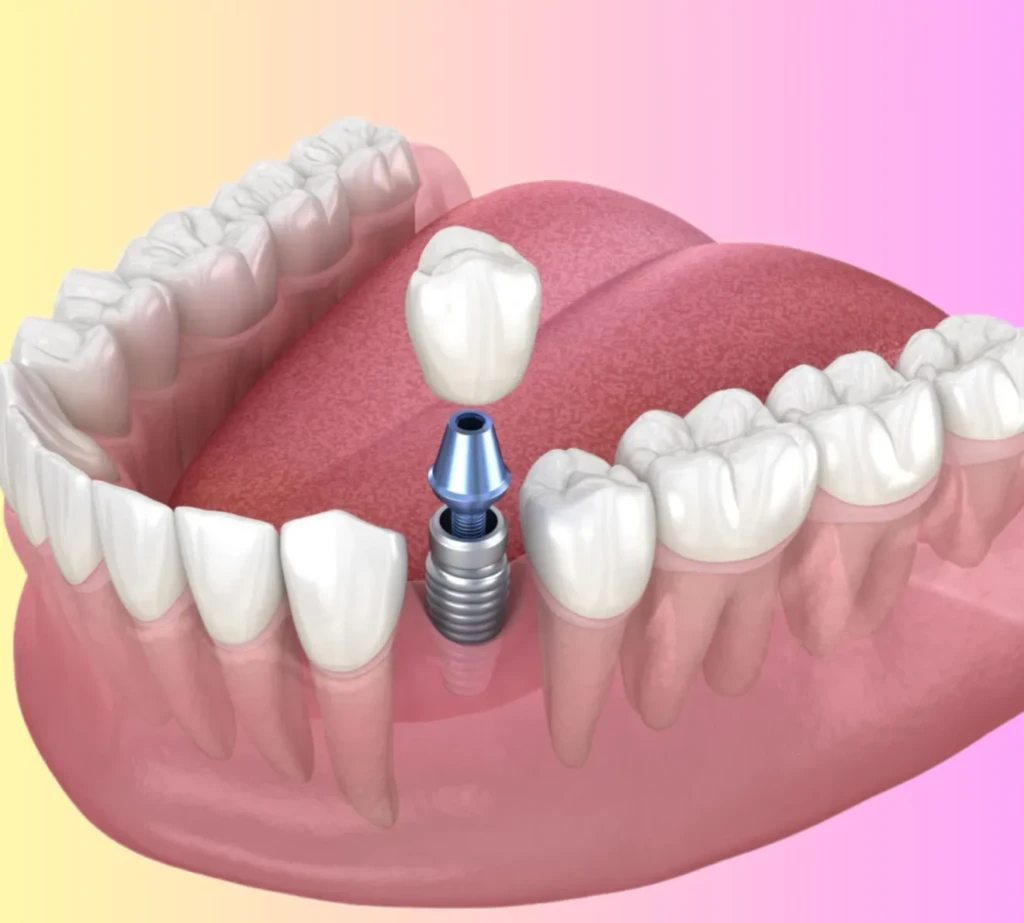
تساعد تركيبات الأسنان على تحسين مظهر الابتسامة واستعادة القدرة على المضغ بشكل طبيعي، لكن الحفاظ عليها يحتاج إلى عناية يومية واتباع بعض التعليمات المهمة بعد التركيب.
الالتزام بالإرشادات التالية يساعد في الحفاظ على ثبات التركيبة، وحماية اللثة والأسنان المحيطة بها، وتجنب أي مشكلات مستقبلية.
- استخدم فرشاة أسنان ناعمة ومعجون أسنان غير كاشط مرتين يوميًا للحفاظ على نظافة التركيبات والأسنان المحيطة بها.
- استخدم خيط الأسنان يوميًا، خاصة حول حواف التركيبة، لإزالة بقايا الطعام ومنع تراكم البلاك.
- في حالة وجود جسور أسنان، استخدم خيطًا مخصصًا للتنظيف أسفل الجسر للحفاظ على نظافة المنطقة أسفل التركيبة.
- يمكن استخدام غسول فم مضاد للبكتيريا عند الحاجة، أو حسب توصية طبيب الأسنان.
- تجنب تناول الأطعمة الصلبة مثل المكسرات، الثلج، والعظام، لأنها قد تؤثر على التركيبة أو تسبب كسرها.
- تجنب الأطعمة اللاصقة مثل الكراميل والعلكة، لأنها قد تلتصق بالتركيبة أو تؤثر على ثباتها.
- لا تستخدم أسنانك في فتح الأشياء أو قضم الأظافر لتجنب تلف التركيبة.
- إذا كنت تعاني من صرير أو احتكاك الأسنان أثناء النوم، استخدم واقيًا ليليًا حسب توصية الطبيب.
- استخدم الخيط المائي .. للتنظيف حول التركيبات و بينها
بعد التركيب مباشرة
- من الطبيعي الشعور بحساسية بسيطة تجاه الحرارة أو البرودة، أو ألم خفيف في اللثة، وغالبًا ما تختفي هذه الأعراض خلال أيام قليلة.
- إذا شعرت أن العضة غير مريحة أو أن التركيبة مرتفعة أثناء المضغ، راجع طبيب الأسنان لإجراء التعديل المناسب.
متى يجب مراجعة الطبيب؟
- إذا كانت التركيبة مفككة أو متحركة.
- إذا شعرت بألم عند العض أو المضغ.
- إذا لاحظت تورمًا أو نزيفًا حول التركيبة.
- إذا حدث كسر أو تشقق في التركيبة.
الزيارة الدورية للطبيب
- يُنصح بزيارة طبيب الأسنان كل3 شهور للاطمئنان على حالة التركيبة وصحة الأسنان واللثة.
Dental Crown and Bridge Care Instructions
Dental crowns and bridges help improve the appearance of your smile and restore normal chewing function. However, maintaining them properly requires daily care and following important instructions after placement.
Following these guidelines helps keep your restoration stable, protects the surrounding gums and teeth, and reduces the risk of future problems.
- Use a soft-bristled toothbrush and a non-abrasive toothpaste twice daily to keep your restorations and surrounding teeth clean.
- Use dental floss daily, especially around the edges of the restoration, to remove food debris and prevent plaque buildup.
- If you have dental bridges, use special floss designed to clean under the bridge and maintain the cleanliness of the area beneath the restoration.
- An antibacterial mouthwash may be used when needed or as recommended by your dentist.
- Avoid hard foods such as nuts, ice, and bones, as they may damage or break the restoration.
- Avoid sticky foods such as caramel and chewing gum, as they may stick to the restoration or affect its stability.
- Do not use your teeth to open objects or bite your nails to avoid damaging the restoration.
- If you grind or clench your teeth at night, use a night guard as recommended by your dentist.
Immediately After Placement
- Mild sensitivity to hot or cold temperatures, or slight gum discomfort, is normal and usually disappears within a few days.
- If your bite feels uncomfortable or the restoration feels high while chewing, visit your dentist for the necessary adjustment.
When Should You Visit the Dentist?
- If the restoration feels loose or moves.
- If you feel pain when biting or chewing.
- If you notice swelling or bleeding around the restoration.
- If the restoration becomes broken or cracked.
Regular Dental Visits
- It is recommended to visit your dentist every 6 to 12 months to check the condition of the restoration and the health of your teeth and gums.
توصل بكل جديدنا!
اشترك في قائمتنا البريدية وتوصل بكل جديد منتجاتنا وتدويناتنا الحصرية!